A structured outpatient rehab program IOP is a level of addiction treatment that gives you real clinical support without requiring you to live at a facility. For many adults, that balance matters a lot, because recovery needs structure, but life usually does not pause for work, parenting, or school.
What a Structured Outpatient Rehab Program (IOP) Is
An intensive outpatient program, usually called an IOP, is a structured form of outpatient addiction treatment that meets several days a week for multiple hours at a time. You live at home, keep up with daily responsibilities as much as possible, and attend treatment on a set schedule that includes therapy, education, and accountability.
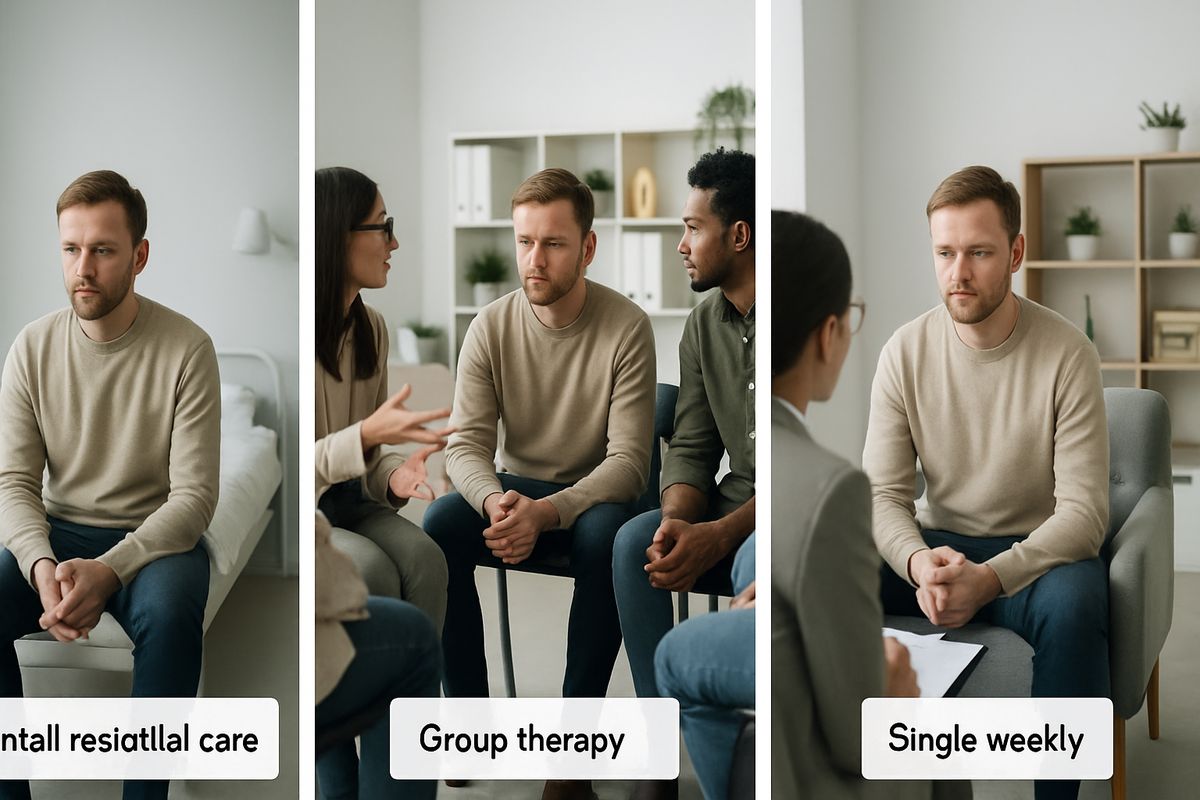
Think of it as a middle ground between inpatient rehab and standard weekly counseling. Inpatient treatment removes you from your environment and gives you 24 hour support. A standard outpatient therapist might see you once a week. IOP sits in between, offering more support than occasional therapy but more flexibility than residential care.
That middle level of care is often the right fit for people who need meaningful treatment but do not need round the clock supervision. According to the Substance Abuse and Mental Health Services Administration, treatment works best when it is matched to the person’s clinical needs, which is exactly why programs like IOP exist.
Why “Structured” Matters in Outpatient Care
The word “structured” is not just marketing language. It tells you that treatment is organized around a plan, not left to chance.
Casual counseling can be helpful, but addiction recovery usually needs more than showing up when you feel like it. A structured outpatient rehab program follows an individualized plan with scheduled sessions, treatment goals, progress reviews, and consistent expectations. That framework creates momentum, especially in early recovery when motivation can change from one day to the next.
Structure also brings accountability. You are not just talking about recovery. You are practicing it, tracking it, and adjusting it with clinical guidance. If you are trying to understand whether a flexible treatment model can still offer real accountability, that is the core value of IOP. It is flexible, but not loose.

How a Structured Outpatient Rehab Program Works Day to Day
Day to day, an IOP usually starts with an intake process and then moves into a regular weekly rhythm. Once you are admitted, you attend sessions on assigned days, meet with therapists, participate in group work, and build practical skills for managing cravings, stress, and triggers outside treatment hours.
This matters because recovery does not happen only in a counseling room. It happens when you leave a stressful shift, argue with a partner, drive past a place tied to substance use, or sit with anxiety you used to numb. IOP is built to help you face real life while still having steady clinical support around you.
Assessment, Diagnosis, and Personalized Treatment Planning
The first step is usually a full clinical assessment. That includes questions about substance use, mental health symptoms, physical health, past treatment experiences, relapse history, medications, family situation, and day to day responsibilities. The goal is not to judge you. It is to figure out what level of care is safe and appropriate.
A good program does more than confirm that substance use is a problem. It looks at the whole picture. If depression, trauma, anxiety, or bipolar symptoms are part of what has been driving use, those issues need treatment too. The National Institute on Drug Abuse explains that many people with substance use disorders also have co-occurring mental health conditions, and care is more effective when both are addressed together (NIDA).
From there, the clinical team creates an individualized plan. That plan usually reflects addiction severity, relapse risk, mental health needs, work schedule, family obligations, and recovery goals. In other words, treatment should fit your life while still challenging the patterns that keep the addiction going. Programs that offer care for both addiction and mental health at the same time are often better equipped for long term results.
Typical Weekly Schedule and Time Commitment
Most IOPs involve roughly 9 to 20 hours of treatment each week. A common setup is 3 to 5 days weekly, often in morning or evening blocks, so you can still work or handle family responsibilities.
A weekly schedule often includes group therapy several times a week, one on one counseling, educational sessions, relapse prevention work, and occasional family sessions. Some programs also include case management, medication check ins, or regular progress reviews. The exact schedule varies, but the point is consistency. Recovery improves when treatment is frequent enough to interrupt old habits and build new ones.
That schedule can feel like a lot at first. Honestly, it should. If substance use has been affecting your health, relationships, or ability to function, a once a week conversation is often not enough to turn things around.
Therapies and Services Commonly Included
Most structured IOPs rely on evidence based therapies rather than vague wellness promises. Common approaches include cognitive behavioral therapy, which helps you identify and change the thinking patterns linked to substance use, and motivational interviewing, which helps strengthen your reasons for change when ambivalence is still present.
You may also see relapse prevention training, psychoeducation, trauma informed counseling, family therapy, medication management, and support for co-occurring disorders. Some people also receive medication assisted treatment when clinically appropriate. The National Institute on Drug Abuse notes that behavioral therapies and medications can both play important roles in effective addiction treatment.
If you want a closer picture of what treatment sessions and services often look like in practice, it helps to review the actual building blocks of an IOP, not just the label.
Who Is a Good Fit for an IOP
IOP works well for people who need more than occasional therapy but do not need inpatient monitoring. It can be a starting point for treatment, a step down after detox or residential rehab, or a step up from standard outpatient care if your current support level is not enough.
The best fit usually comes down to safety, stability, and support needs. If you can function outside a facility and attend treatment reliably, IOP may offer the structure necessary for lasting recovery without pulling you out of everyday life completely.
Signs You May Benefit From Structured Outpatient Treatment
You may be a strong candidate if you need more support than weekly counseling, have a stable home environment, and want to keep working, studying, or caring for family while getting treatment. It also makes sense if you recently completed detox or residential care and need a solid transition instead of a sudden drop in support.
IOP can also be a good option if you have relapsed before and know that accountability matters for you. Many people do well when they can practice coping skills in real time, then bring those struggles back into treatment the same week.
When Inpatient or Medical Detox May Be a Better Option
Sometimes IOP is not enough, at least not yet. If you are at risk for severe alcohol or benzodiazepine withdrawal, need medical stabilization, have active health complications, or are in immediate danger of relapse, inpatient rehab or medical detox may be safer.
The same is true if your housing situation is unstable or your home environment makes recovery nearly impossible. Treatment should meet the reality of your situation, not an ideal version of it. If you are weighing how outpatient care compares with a residential setting, the deciding factor is usually not convenience. It is clinical need and safety.
IOP vs Inpatient and Standard Outpatient Treatment
The easiest way to understand these options is by looking at intensity, supervision, and flexibility.
Inpatient rehab offers the highest level of daily support. You live on site, follow a full treatment schedule, and receive 24 hour supervision. That level of care can be life changing when symptoms are severe, relapse risk is high, or the home environment is unsafe.
Standard outpatient treatment is lighter. You might attend one therapy session per week or a few appointments each month. That can work well for mild symptoms or as maintenance after completing more structured care.
IOP sits in the middle. You still receive strong clinical support several times a week, but you sleep at home and continue living in the community. It costs less than residential care in many cases, and it gives you the chance to apply recovery skills immediately in daily life.
Key Differences in Structure, Support, and Flexibility
The real difference is not just where you sleep. It is how much support surrounds you while you work on recovery.
Inpatient rehab provides containment. IOP provides structure with autonomy. Standard outpatient provides ongoing support with less intensity. None of these is automatically better than the others. The right choice depends on your symptoms, your stability, and how much support you actually need, not how little treatment you hope to get away with.
Benefits of a Structured Outpatient Rehab Program
Many adults choose IOP because it combines meaningful treatment with real life practicality. That matters when bills still need to be paid, children still need rides, and daily responsibilities cannot simply disappear.
There is also a clinical advantage to recovering in the same environment where you have to stay sober. You are not waiting until discharge to test your coping skills. You are using them now, with therapist support and a treatment team tracking your progress.
Ability to Keep Work, School, and Family Commitments
One of the biggest benefits is flexibility. Many programs offer day or evening sessions so you can keep a job, attend classes, or care for family while getting treatment.
That flexibility does not make recovery easier, but it can make treatment more realistic. And realistic treatment is often the treatment people can actually complete. Instead of putting life on hold, you begin learning how to live differently inside it.
Accountability, Community, and Long-Term Recovery Support
IOP also provides a supportive environment that many people need in early recovery. Group therapy reduces isolation. Individual counseling gives you space to work through private issues. Regular attendance, progress monitoring, and drug or alcohol testing help create honest accountability.
Over time, that combination can build the support necessary for lasting recovery. You are not only trying to stop using substances. You are learning how to recognize relapse patterns, respond to triggers, repair routines, and stay connected to treatment long enough for change to stick.
Cost, Insurance, and What to Ask Before Enrolling
Cost matters, and most families look at it early for good reason. IOP pricing varies based on the number of weekly treatment hours, the provider, the location, and what services are included. Programs with psychiatric care, medication management, or dual diagnosis treatment may cost more than basic counseling only models.
The good news is that many programs accept insurance and verify benefits before admission. Under the Mental Health Parity and Addiction Equity Act, insurance coverage for substance use treatment generally must be comparable to coverage for medical and surgical care. That does not mean every claim is simple, but it does mean coverage is often better than people assume. Reviewing how insurance commonly applies to this level of care can make the decision process a lot clearer.
Questions to Ask a Program Before You Start
Before enrolling, confirm the schedule, weekly hours, therapies offered, staff credentials, and whether the program treats co-occurring mental health conditions. Ask about medication assisted treatment, family involvement, drug testing, average program length, and what happens after completion.
You should also ask how progress is measured. Good programs can explain how they track attendance, symptom changes, relapse risk, and treatment goals over time. That answer tells you a lot. A structured program should be able to describe its structure clearly.
Common Questions About How IOP Rehab Works
People often hesitate because they can picture rehab in broad terms, but not in practical ones. That uncertainty is normal. Once you understand the daily rhythm, the time commitment, and the level of support, IOP tends to feel less mysterious and more manageable.
How long does an IOP usually last?
Most IOPs last several weeks to a few months. The exact timeline depends on your progress, your clinical needs, attendance, relapse risk, and what the treatment team recommends. Some people move through quickly. Others benefit from a longer course of care. The goal is not to finish fast. It is to leave with a stronger foundation.
Can you work or go to school while in an IOP?
Yes, many people do. Evening and flexible schedules are specifically designed for that. Still, treatment attendance has to remain a priority. If work or school constantly pushes recovery aside, the program will not be able to do its job.
Does IOP include drug and alcohol testing?
Many structured programs do include regular drug and alcohol testing. That is not about punishment. It supports accountability, helps clinicians respond quickly to setbacks, and gives families and patients a clearer picture of progress.
What happens after an IOP ends?
Most people step down into ongoing outpatient therapy, peer support groups, medication management, alumni services, sober living, or a relapse prevention plan built during treatment. Continuity of care matters because recovery rarely holds on willpower alone.
A structured outpatient rehab program can be a strong next step if you need real treatment with room to keep living your life. The smartest move is to verify insurance, schedule an assessment, and choose a program built around individualized care, clinical oversight, and long term recovery support.